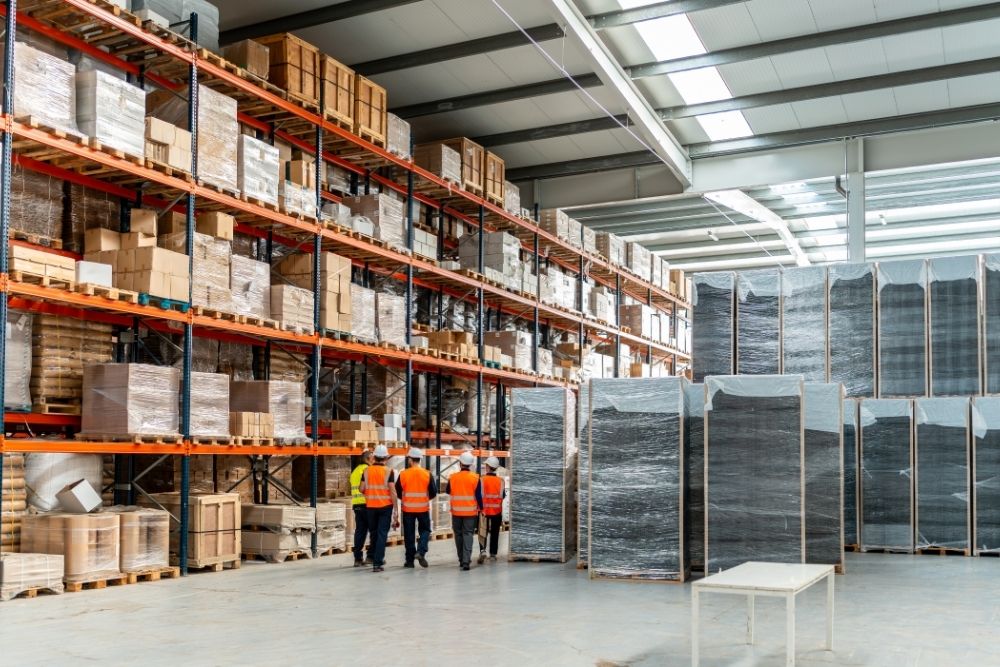



Kenya's transport and logistics sector moves the goods that power the regional economy — from containers leaving the Port of Mombasa to fresh produce travelling to Nairobi markets and consumer goods reaching shops across the country. For transport operators, vehicles are not just assets; they are the business. Growing a fleet requires significant capital, and the right financing structure can determine whether expansion strengthens the business or strains it.
Why fleet operators use vehicle finance
A single prime mover, refrigerated truck or delivery van represents a substantial investment. Paying cash for each new vehicle ties up capital that could fund fuel, maintenance, driver salaries and insurance. Vehicle and fleet finance allows operators to acquire vehicles and repay from the revenue those vehicles earn — matching cost to income and preserving liquidity.
Types of vehicle finance for businesses
Individual vehicle finance
Financing for a single vehicle, secured on that vehicle. Suitable for operators adding vehicles one at a time or for businesses that need a specific vehicle for a contract.
Fleet facilities
A structured facility that allows a business to acquire multiple vehicles over time within an approved limit. Fleet facilities simplify administration, provide certainty for growth plans and can secure better terms as the relationship develops.
Refinancing and top-ups
Operators with existing vehicles that are fully or partly paid may release capital through refinancing or logbook-secured facilities, using it to fund expansion or working capital.
Structuring repayments around contracts
The best fleet financing is structured around the operator's revenue. Transport businesses often earn from contracts with manufacturers, distributors, retailers or logistics companies. When a lender understands these contracts — their duration, rates and payment cycles — repayment schedules can be aligned accordingly. Operators should be ready to share:
- Copies of haulage or service contracts.
- Historical revenue per vehicle.
- Operating costs, including fuel, maintenance, tyres and driver costs.
- Payment terms from key customers.
A truck that runs full and gets paid on time is a profitable asset. Finance it in a way that keeps it running.
New or used vehicles?
New vehicles offer reliability, warranty support and typically require smaller deposits, but come at a higher price. Quality used vehicles can be cost-effective, but lenders will consider age limits, condition and resale value, and may require larger deposits or shorter terms. A professional valuation and mechanical inspection are essential for used vehicles.
Deposits and terms
Most facilities require a deposit, which reduces the amount financed and demonstrates the operator's commitment. Terms are usually set to reflect the expected working life of the vehicle and the duration of related contracts. Shorter terms mean higher instalments but lower total interest; longer terms ease monthly cash flow but cost more overall. Use our loan calculator to compare scenarios.
Insurance and risk management
Financed vehicles must carry comprehensive insurance, with the lender's interest noted. Transport businesses should also consider:
- Goods-in-transit cover to protect the cargo they carry.
- COMESA Yellow Card for cross-border operations.
- Personal accident and work injury cover for drivers and turn-boys.
- Tracking and fleet management systems to reduce theft and improve efficiency.
Through SilverHouse Insurance, fleet operators can arrange motor, goods-in-transit and cross-border cover alongside their financing.
Managing fleet economics
Financing decisions should be grounded in the economics of each vehicle. For every vehicle, operators should understand:
- Average monthly revenue and utilisation.
- Direct running costs per kilometre.
- Maintenance schedules and costs.
- The monthly finance instalment.
- Net contribution after all costs.
Vehicles that cannot generate a healthy net contribution after finance costs should be reviewed before more are added.
Scaling responsibly
Rapid fleet expansion can be tempting when demand is strong, but it carries risks. Contracts can end, fuel prices can rise, and payment delays from customers can strain cash flow. Responsible growth means adding vehicles in line with secured contracts, maintaining cash reserves for maintenance and unexpected costs, and avoiding overreliance on a single customer.
What lenders look for in transport businesses
- Experience in the sector and a track record of operating vehicles profitably.
- Contracts or consistent customers.
- Bank statements showing regular revenue.
- Well-maintained existing vehicles and proper records.
- A clean repayment history on existing facilities.
Planning for maintenance and replacement
A financed vehicle that spends weeks in the garage still requires its monthly instalment. Successful fleet operators budget for maintenance from the first day: routine servicing, tyres, brakes and unplanned repairs. Setting aside a fixed amount per kilometre or per trip into a maintenance reserve smooths out these costs and protects cash flow when major repairs arise.
Operators should also plan for replacement. Every vehicle eventually becomes less reliable and more expensive to run. Timing replacement before maintenance costs escalate — and while the old vehicle still has resale value to contribute toward a deposit — keeps the fleet efficient and the financing cycle sustainable. A simple fleet register recording each vehicle's age, mileage, finance status and maintenance history makes these decisions far easier, and gives lenders confidence that the business is professionally managed.
Personal and executive vehicles
Beyond commercial fleets, many business owners and professionals also need finance for personal or executive vehicles. Vehicle finance for individuals follows similar principles: a sensible deposit, a term aligned to the vehicle's life and repayments matched to reliable income.
Fleet finance with SilverHouse Credit
SilverHouse Credit offers vehicle and fleet finance for transporters, logistics businesses, corporates and individuals. We structure facilities around your contracts and cash flows and coordinate insurance through the SilverHouse Group. Apply now to discuss your fleet plans with a relationship manager.