
Every growing business eventually reaches the same crossroads. A contractor wins a larger project and needs another excavator. A manufacturer receives more orders than the current production line can handle. A clinic wants to offer diagnostic services that require new imaging equipment. The opportunity is real, but paying cash for the equipment would empty the bank account that keeps salaries, suppliers and day-to-day operations running. Asset finance is designed for exactly this moment.
What is asset finance?
Asset finance is a form of credit used to acquire a specific productive asset — such as construction plant, manufacturing machinery, commercial vehicles, medical equipment or office technology. The lender pays the supplier, and the business repays the facility in instalments over an agreed period. Crucially, the asset itself usually serves as the primary security for the loan.
Because the lender can rely on the value of the asset, asset finance is often more accessible than general business lending, and the business does not always need to pledge land or other property.
Why asset finance protects working capital
Working capital is the lifeblood of any business. It pays for stock, salaries, rent, fuel and the many small expenses that keep operations moving. When a business uses its working capital to buy a large asset outright, it may find itself unable to fund the very contracts that the new asset was meant to serve.
Asset finance spreads the cost of the asset over its useful life. Instead of paying the full price on day one, the business pays monthly instalments — ideally from the additional revenue the asset generates. In this way, the equipment pays for itself while cash reserves remain available for operations and unexpected needs.
The best assets are those that generate more income each month than they cost to finance.
What can be financed?
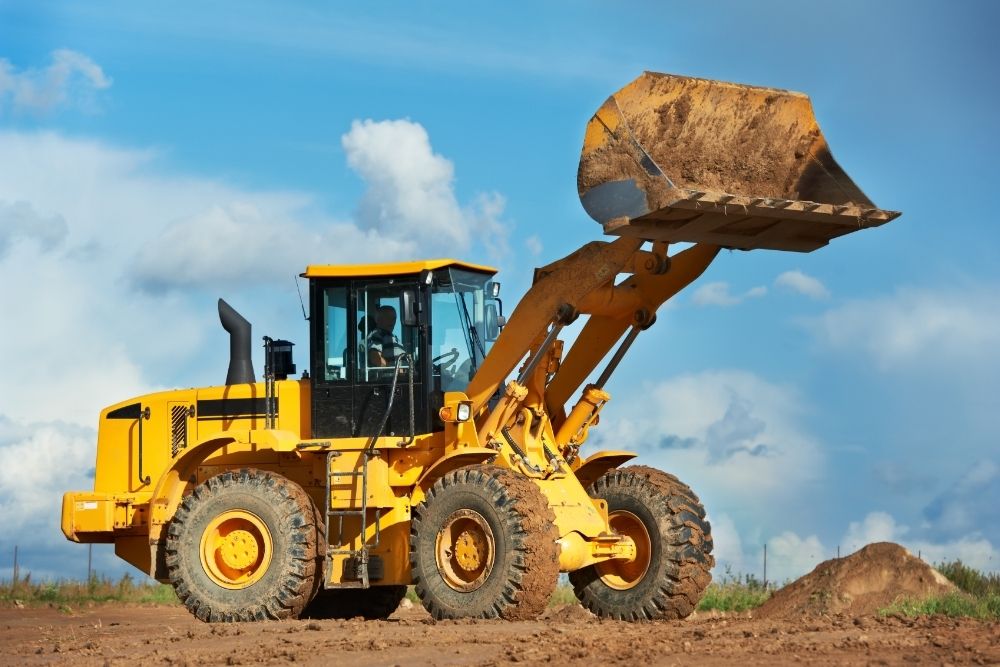
- Construction and earth-moving equipment — excavators, loaders, graders, rollers, tippers and concrete mixers.
- Manufacturing and processing machinery — production lines, packaging machines, milling and food-processing equipment.
- Medical and laboratory equipment — imaging machines, theatre equipment, dental chairs and diagnostic analysers.
- Commercial vehicles — trucks, vans, buses and specialised vehicles.
- Agricultural equipment — tractors, irrigation systems and post-harvest equipment.
- Office and technology assets — generators, solar systems, IT infrastructure and fit-outs.
How the process typically works
- Identify the asset and supplier. Obtain a pro-forma invoice or quotation from a reputable supplier.
- Prepare a simple business case. Explain how the asset will be used, which contracts or customers it serves and how it will generate income.
- Submit your application. Lenders will typically request business registration documents, KRA PIN, bank statements and, where available, management accounts.
- Assessment and valuation. The lender assesses cash flows and may value or inspect the asset, particularly if it is used equipment.
- Offer and deposit. You receive an offer letter setting out the amount, term, rate, fees and conditions, and pay any required deposit.
- Payment and delivery. The lender pays the supplier, the asset is delivered, insured and, where applicable, registered with the lender's interest noted.
Understanding the costs
The cost of asset finance includes interest and any arrangement, valuation, legal or registration fees. When comparing offers, focus on the total cost of credit rather than the headline rate alone, and confirm whether interest is calculated on a reducing balance or a flat-rate basis. A flat rate can look lower on paper but often costs more over the life of the facility. Our loan calculator lets you compare both methods side by side.
The role of the deposit
Most asset finance facilities require a deposit. A larger deposit reduces the amount financed, lowers monthly instalments and can improve pricing. The required deposit depends on the type of asset, how easily it can be resold, its age and condition, and the strength of the business. New, widely used equipment generally requires a smaller deposit than highly specialised or older machinery.
Insurance is non-negotiable
Financed assets must be comprehensively insured for the duration of the facility, with the lender's interest noted on the policy. This protects both the business and the lender if the asset is damaged, stolen or destroyed. Through our sister company, SilverHouse Insurance, clients can arrange competitive cover for plant, machinery and vehicles in one place.
What lenders look for
- Cash flow: evidence that the business generates enough income to service the instalments comfortably.
- Track record: how long the business has operated and its experience with similar assets.
- Demand for the asset's output: contracts, purchase orders or a clear market for the asset's services.
- Asset quality: reputable supplier, reasonable price and good resale value.
- Credit history: how the business and its directors have managed past obligations.
Matching the term to the asset's life
A sound rule is never to finance an asset over a longer period than its productive life. If a machine is expected to work efficiently for five years, a facility of three to four years ensures you will own it outright while it still has value. Matching the repayment schedule to seasonal income — for example, for agricultural or construction businesses — can also make repayments more manageable.
Common mistakes to avoid
- Buying more capacity than the business can realistically use.
- Underestimating running costs such as fuel, maintenance, operators and insurance.
- Choosing the lowest headline rate without comparing total cost and flexibility.
- Taking on several facilities at once without considering the combined repayment burden.
How SilverHouse Credit can help
SilverHouse Credit structures asset and equipment finance around the useful life of the asset and the cash flows of your business. We finance new and quality used equipment for contractors, manufacturers, healthcare providers and transporters, and we coordinate insurance through the SilverHouse Group. When you're ready, start your application and a relationship manager will guide you through the next steps.